SCIENCE
GENIE’s research program consists of three
Science and Technology Thrusts —
Foundational Science, Enabling Technologies, and Chromatin Engineering—
and three Crosscutting Testbeds.
Foundational Science
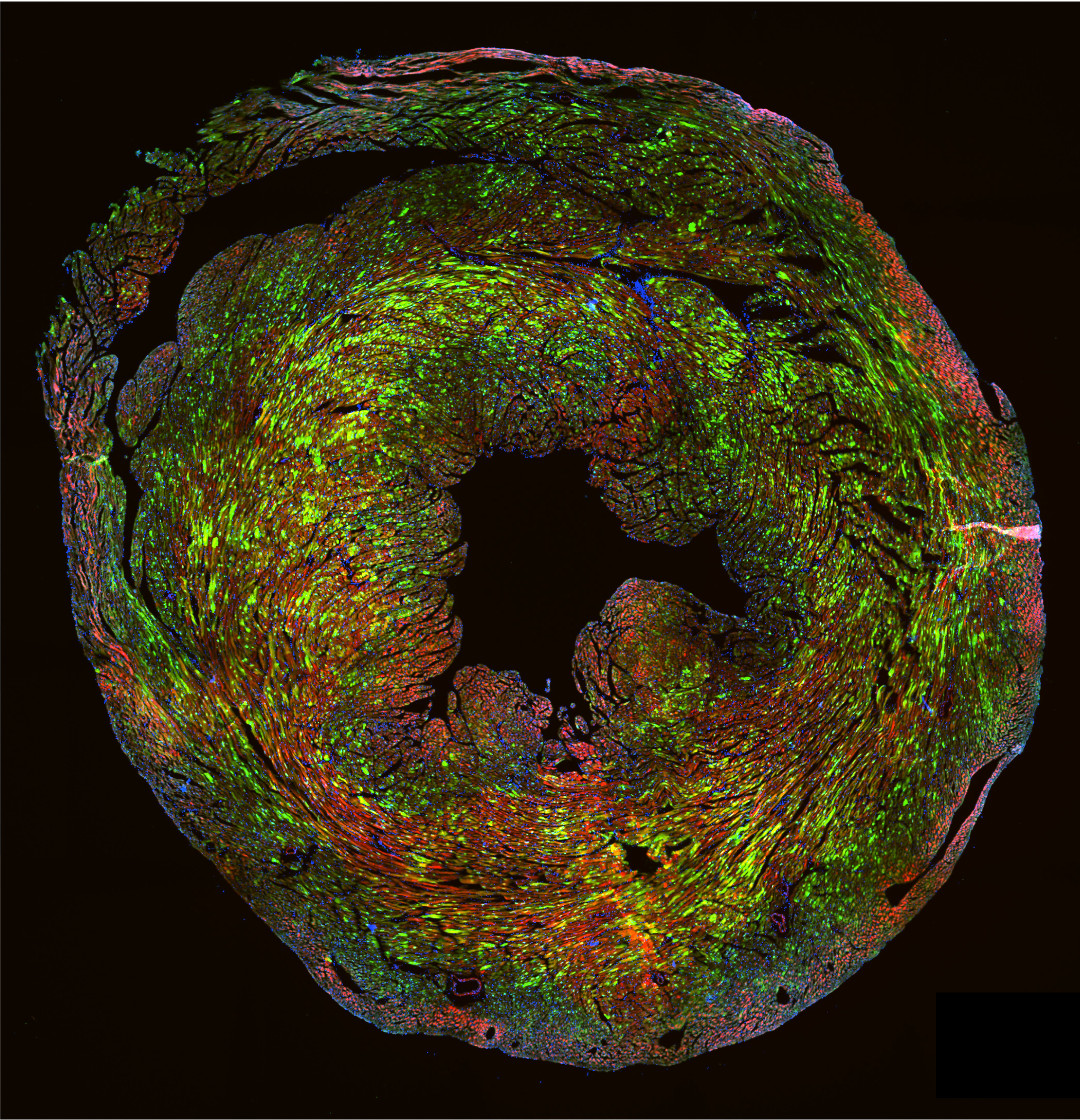
In the Foundational Science (the “Rules”) Thrust, GENIE researchers work to uncover the Rules of the Cellular Memory Code, which describe the lifecycle of chromatin assembly into domains, its reinforcement learning behavior, and the reciprocal relationship with transcriptional, epigenetic, and topological processes. The focus is on the three primary drivers of chromatin domain lifecycle—epigenetic reactions, nuclear ions, and molecular crowding—across three domain lifecycle phases—domain creation, maintenance, and deletion—during two phases of transcriptional memory “training” throughout an organism’s life—development and aging—using two model systems—cardiomyocytes and neurons. Not only do these post-mitotic cells offer an ideal framework to study how transcriptional memory develops and ages, but they are also critical to human health, and their inability to regenerate contributes to diseases such as heart attacks, strokes, and neurodegeneration.
Enabling Technologies
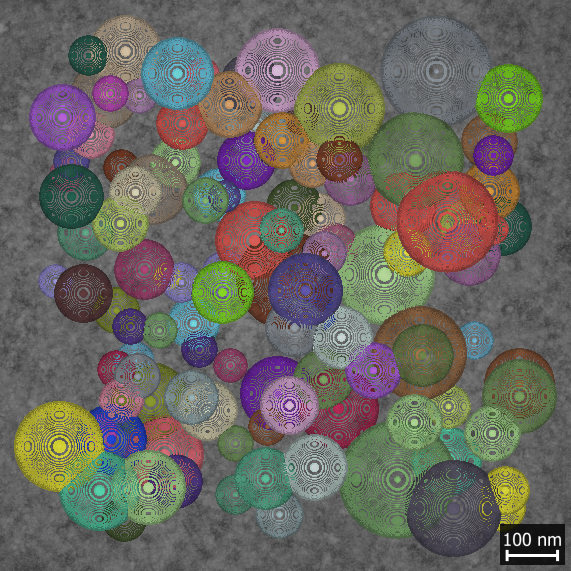
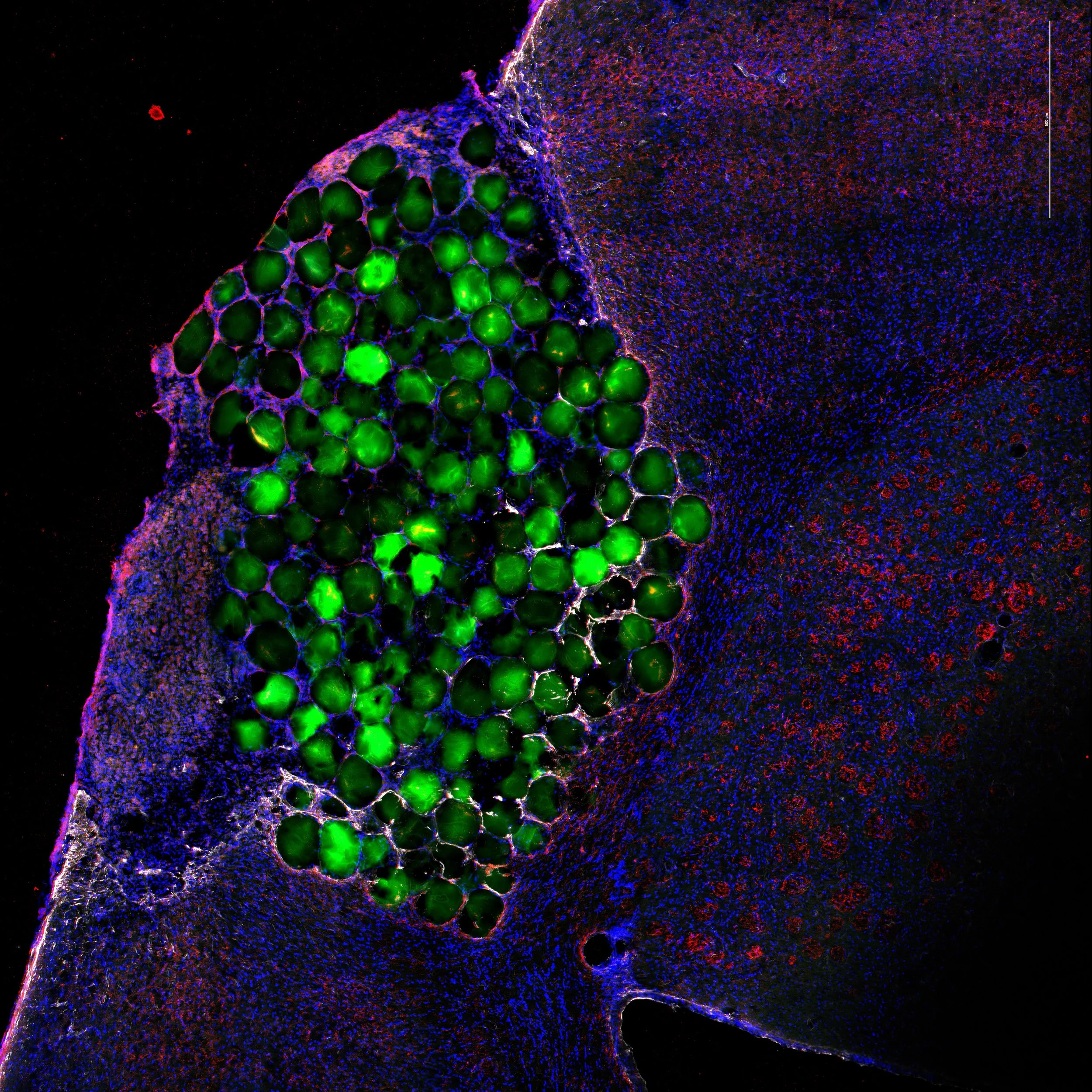
Answering these questions requires developing novel Enabling Technologies. Multiscale electron and optical nanoimaging and nanosensing enable unprecedented visualization of chromatin from DNA scale (2 nm) to hundreds of live cells, providing sub-5 nm molecular resolution for over 20 molecular species that influence chromatin. Complementary multiscale molecular modeling allows GENIE scientists to predict how chromatin geometry functions, integrating the chromatin polymer with transcriptional, epigenetic, and loop extrusion reactions, and spanning from atomistic detail to the whole chromatin, all powered by machine learning (ML).
Chromatin Engineering
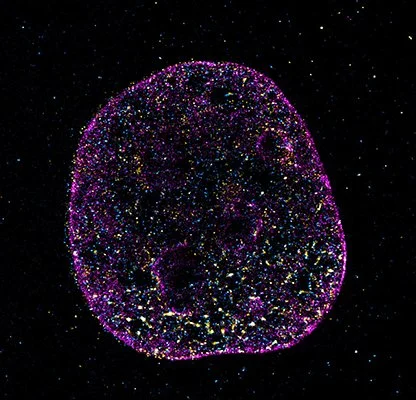
Defining the Rules informs three Chromatin Engineering approaches, each targeting one of the drivers of transcriptional memory. First, CRISPR-Cas9 is used to create synthetic domain elements without altering DNA sequences. Second, GENIE researchers are developing non-ionizing Frequency-Encoded Electromagnetic Wave Stimulation (FEEMS) to modulate nuclear ions. Third, engineering implantable biomaterials enables influence on nuclear crowding and ionic environments. Whereas the synthetic design manipulates transcriptional memory for specific genes, FEEMS and biomaterials modulate the rates of transcriptional memory formation or degradation genome-wide. These strategies also illustrate three main delivery routes: molecular therapeutics, external/wearable (FEEMS) and implantable (biomaterials) devices.